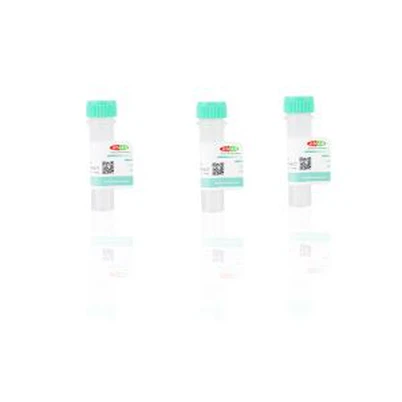
Recombinant Mouse C-C Motif Chemokine 9/CCL9//MIP-1-γ #abs04168
Please note that the price mentioned is for your reference only. To know the exact price, please get in touch with our seller, Vecent. We would request you to generate content that is highly similar to the given text by rearranging the words and ensuring that it is based on the original...
Description
Catalog-specification | Delivery time | USD price |
abs04168-10ug | 1-2 Weeks | 161 |
abs04168-50ug | 1-2 Weeks | 482 |
abs04168-500ug | 1-2 Weeks | 2353 |
abs04168-1mg | 1-2 Weeks | 3201 |
Please note that the price mentioned is for your reference only. To know the exact price, please get in touch with our seller, Vecent. We would request you to generate content that is highly similar to the given text by rearranging the words and ensuring that it is based on the original information. Please refrain from using the conversational tone generated by ChapGPT and instead use a different writing style that is unique and distinct.
Overview | |
Description | Our E.coli expression system produces Recombinant Mouse C-C Motif Chemokine 9, wherein the target gene encoding Gln22-Gln122 is expressed. You can rest assured that the end-product will be highly pure and effective in its intended use. |
Other names | Some of the chemokines that play important roles in immune response include CCF18, C-C motif chemokine 9, Scya10, Scya9, and CCL9. These molecules, sometimes also known as MIP-1 gamma and MIP-related protein 2, are potent attractants for immune cells like macrophages, and can help to orchestrate their movement and activity at sites of infection or inflammation. Research into the biological functions of chemokines is an active area of study, and has led to new insights into how the immune system operates and how it can be manipulated in disease states. |
Source | Escherichia coli. |
Format | 20mM TrisHCl,300mM NaCl,pH8.0,0.2μm。,。 |
Properties | |
aa_sequence | ,。。 |
Concentration | SDS-PAGE95%。,。 |
Endotoxin_level | The LAL test determined that the concentration is below 0.1 ng/μg (1 IEU/μg). |
Reconstitution | To ensure accurate results and maintain the integrity of the sample, always remember to centrifuge tubes before opening. Avoid mixing by vortexing or pipetting, as this can compromise the stability of the protein. If needed, reconstitute to a concentration of at least 100 μg/ml using sterile ddH2O. It's important to aliquot the reconstituted solution to minimize freeze-thaw cycles, as repeated freezing and thawing can damage the protein. When handling lyophilized protein, always follow the recommended instructions and guidelines to ensure the highest quality and accuracy of your experiments. |
Stability & Storage | To properly store lyophilized protein, it is recommended to keep it at a temperature below -20°C. However, if necessary, it can be kept at room temperature for up to three weeks. Once reconstituted, the protein solution should be stored in a cool environment, preferably between 4-7°C, for no more than seven days. Aliquots of the reconstituted sample can be stored for up to three months at a temperature below -20°C. It is important to follow these guidelines to ensure the stability and effectiveness of the protein sample. |
Target | |
Background | Mouse CCL9 is a small cytokine belonging to the CC chemokine family. It is expressed mainly in the liver, lung, and the thymus, although some expression has been detected in a wide variety of tissues except brain. CCL9 can activate osteoclasts through its receptor CCR1 (the most abundant chemokine receptor found on osteoclasts) suggesting an important role for CCL9 in bone resorption. |
Accession | P51670 |
This product is for research use only, not for use in diagnostic prodecures or in human.
Hot Tags: recombinant mouse c-c motif chemokine 9/ccl9//mip-1-γ #abs04168, China recombinant mouse c-c motif chemokine 9/ccl9//mip-1-γ #abs04168 suppliers
Send Inquiry
You Might Also Like