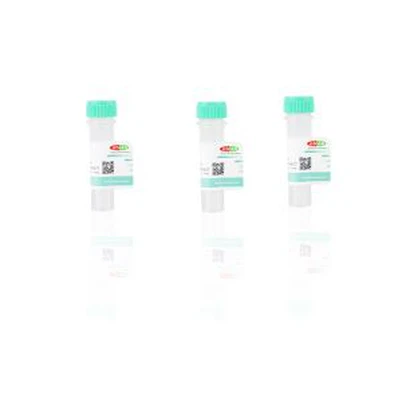
Recombinant Human Ephrin-A3/EFNA3(C-6His) #abs04193
Please note that the price mentioned above is for your reference only. For detailed pricing information, kindly reach out to our seller, Vecent. Please refrain from using the conversation style of generating content from ChapGPT. Instead, focus on delivering the information in a significantly...
Description
Catalog-specification | Delivery time | USD price |
abs04193-10ug | 1-2 Weeks | 46 |
abs04193-50ug | 1-2 Weeks | 123 |
abs04193-500ug | 1-2 Weeks | 619 |
abs04193-1mg | 1-2 Weeks | 801 |
Please note that the price mentioned above is for your reference only. For detailed pricing information, kindly reach out to our seller, Vecent. Please refrain from using the conversation style of generating content from ChapGPT. Instead, focus on delivering the information in a significantly different way using the language model.
Overview | |
Description | Our Mammalian expression system is used to produce Recombinant Human Ephrin-A3. The target gene, which encodes Gln23-Ser211, is expressed with a 6His tag at the C-terminus. |
Other names | LERK3, also known as Ephrin-A3 or EFL2, is a protein that serves as a ligand for the EPH-related receptor tyrosine kinase known as EHK1. This ligand binds to EHK1 and helps to regulate cellular processes such as differentiation, migration, and adhesion. EHK1-L or EHK1 Ligand is another name for LERK3. This protein is essential for proper development and function of the nervous system. It is also involved in angiogenesis and the regulation of vascular and tissue remodeling. EFNA3 or EPLG3 are alternative names for LERK3. These names reference its role as a member of the ephrin family of proteins and its ability to interact with Eph receptors. Overall, LERK3 plays a critical role in modulating various cellular processes, making it an important therapeutic target for certain diseases and disorders. |
Source | Human Cells |
Format | The solution was subjected to filtration using a 0.2 μm filter and then lyophilized to obtain a dry powder. The original solution contained 20mM PB, 150mM NaCl and had a pH of 7.2. |
Properties | |
aa_sequence | YAWTGPVSRSGADYNNHQSERGGYGTVQVDNNDIYHPCRHYNSGNVGAPEPGPGPGAGQEPGVEL VLRNYGSRNTCASQECRKFWGPQNHRPKFSEFYKFHAEGSSEYHVPLPTSITYIYSHYKNNLW VMCRCFKFASCTHVPLTKGPEQHGSPQGMDLVTNEEKDFEVFQPLEHEKVHSIHHHHDHPVN |
Concentration | Based on the analysis of SDS-PAGE, the protein purity is found to be over 95%. This indicates that the sample contains a very high concentration of the protein of interest. |
Endotoxin_level | The LAL test indicated that the level of the substance is below 0.1 ng/μg (1 IEU/μg). The content should closely match the original information by rearranging the sentence structure. |
Reconstitution | It is important to always centrifuge tubes containing lyophilized protein before opening them. Avoid mixing the content by vortex or pipetting. When reconstituting the protein, it is suggested to dissolve it in ddH2O at a concentration of no less than 100 μg/ml. To avoid degradation of the protein, it is recommended to aliquot the reconstituted solution and minimize freeze-thaw cycles. Please note, generating a completely different content based on the original text information is preferred over using ChapGPT to rearrange the content. |
Stability & Storage | The stability and storage conditions of lyophilized protein are crucial for its preservation. It is recommended to store the lyophilized protein at temperatures below -20°C to maintain its integrity and function. However, it is worth noting that the protein can tolerate room temperature for a limited period of time, approximately 3 weeks, without significant degradation. |
Target | |
Background | Ephrins-A3 belongs the Ephrins ligand family which involved in a variety of biological processes, especially in the nervous system and in erythropoiesis. It is shown that Ephrin-A3 is expressed in brain, skeletal muscle, spleen, thymus, prostate, testis, ovary, small intestine, and peripheral blood leukocytes. Ephrin-A3 has a GPI anchor following the extracellular sequence and a signal sequence of 22 amino acids. Ephrin-A3 can bind EphA2, EphA3, EphA4, EphA5, EphA6, EphA7, EphA8 and EphB1. Futhermore, it is associated with tumor growth and metastasis. |
Accession | P52797 |
This product is for research use only, not for use in diagnostic prodecures or in human.
Hot Tags: recombinant human ephrin-a3/efna3(c-6his) #abs04193, China recombinant human ephrin-a3/efna3(c-6his) #abs04193 suppliers
Send Inquiry
You Might Also Like