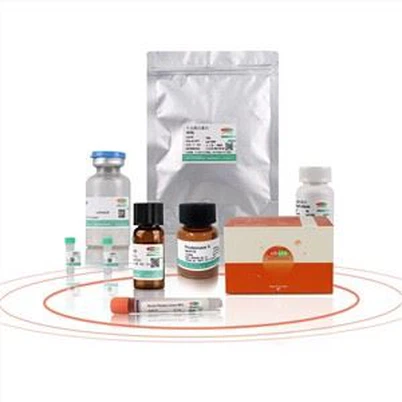
Gram Staining
Please note that the price provided is only for your information. For detailed pricing information, please contact our seller named Vecent. It is important to stress that the content you receive may be highly similar to the original text, but it will be generated using a language model rather...
Description
| SKU-Pack Size | Availability | Price |
| abs9350-100ml | In stock | $40.00 |
Please note that the price provided is only for your information. For detailed pricing information, please contact our seller named Vecent. It is important to stress that the content you receive may be highly similar to the original text, but it will be generated using a language model rather than through a dialogue as created by ChapGPT methodology. This will ensure that the resulting content is different from the original in terms of structure and style.
Description | |
| Description | The Gram staining technique is a commonly used method for identifying bacterial species in the field of bacteriology. In this process, a mordant iodine solution is combined with crystal violet after penetrating the bacterial cell. Gram-positive bacteria are observed to have a large and dense uptake of both iodine and crystal violet, making them less sensitive to alcohol-based decolorization while Gram-negative bacteria exhibit a weak intake and are easily decolorized using alcohol. To improve visualization, a red dye, typically basic saffron, is used as a counterstain after decolorization. After the staining procedure, Gram-positive bacteria will appear purple, while Gram-negative bacteria will appear red. The components of this technique include Ammonium Oxalate Crystal Violet Stain Solution, Gram Iodine Solution, Acid Alcohol, and Safranin Restaining Solution which come in 100mL packages. |
| Usage | 1. Preparation: To prepare a sample for microscopic inspection, start by sterilizing an inoculation loop with flame burn from an alcohol lamp. Cool the loop for 30 seconds before use. Then, pick a thin layer of the sample on a glass slide and smear it. If the sample may be contaminated with bacteria or there is bacterial growth in the medium, use the inoculation loop to directly pick up the sample and place it on the slide. For bacterial clones growing on a culture plate, add a drop of sterile water to the slide and pick a clone to place in the water. These steps ensure that the sample is properly prepared for microscopic examination. After applying the smear on the slide, it is important to let it dry naturally. Once it has dried, the next step is to heat-fix it. This can be done by gently passing the slide through the flame of an alcohol lamp. It is recommended to repeat this process 2 to 3 times to ensure proper fixation. It is important to avoid overheating the sample when using a glass slide. To prevent this, make sure not to keep the slide on the flame for too long. 2. Dyeing: To dye the heat-fixed glass slide, immerse it in a vat containing a solution of ammonium oxalate crystal violet dye. Allow the glass slide to remain in the dyeing vat for a duration of 30 seconds. Please shake off the excess water and gently wash the slides for 5 seconds using tap water. To dye a glass slide with Gram iodine solution, follow these steps. Firstly, prepare the slide by cleaning it with a gentle soap and water solution. Rinse it thoroughly with water to remove any soap residue. Next, air-dry the slide completely before proceeding. Once the slide is dry, carefully lower it into the dyeing vat filled with Gram iodine solution. Leave it in the solution for 1 minute to ensure thorough dyeing. After that, remove the slide from the vat and wash it with water as per the fourth step in the original content. Shake off any excess water to avoid any watermarks on the slide. Follow these steps to prepare a perfectly dyed glass slide with Gram iodine solution. 3. Decolorization and counterstaining: To achieve accurate results, follow these steps: Begin by slightly tilting the glass slide and carefully dropping acid alcohol onto the upper end of the slide. Then, smoothly slide the treated slide through the sample area until the appearance of a distinct purple color. It is crucial to maintain a careful balance during the decolorization process. Excessive decolorization may lead to the misjudgment of gram-positive bacteria as negative, while inadequate decolorization can result in the misjudgment of gram-negative bacteria as positive. Ensuring precise decolorization is vital for accurate identification. 2. Wash in water for 5 seconds according to the fourth step, and shake off excess water; 3. Dye with safranin counterstain solution for 30 seconds; 4. Wash with water for 5 seconds as in the fourth step to shake off excess water. Allow it to dry naturally, or use absorbent paper to carefully absorb the moisture. Four, microscopic examination: 1. Observe the bacteria under the oil microscope (900×~1000×) to distinguish Gram-positive bacteria from negative bacteria. Do not use a cover glass, add a drop of oil in the middle of the slide to observe the bacteria. If necessary, the slides can be stored in the slide box for several months before observation. Gram-positive bacteria appear purple and Gram-negative bacteria appear pink. |
| Storage Temp. | Room temperature, protected from light, valid for 12 months. |
| General Notes | 1. The key to Gram staining is to strictly control the degree of alcohol decolorization. If the decolorization is excessive, the positive bacteria can be mistakenly stained as negative bacteria; and when the decolorization is not enough, the negative bacteria can be mistakenly stained as positive bacteria. In addition, the bacterial age also affects the staining results. If the positive bacteria have been cultured for too long, or have died and some of the bacteria have dissolved by themselves, they often show a negative reaction. 2. The specimen smear should not be too thick. 3. The temperature of the glass slide through the flame should not be too high. 4. If the smear is thicker, extend the decolorization time until the purple no longer appears. 5. If the iodine solution becomes transparent, it cannot be used. 6. Use gentle action when washing with water, and rinse with a washing bottle along the diagonal of the slide to avoid washing off the bacteria. |
Properties | |
| Synonym | Gram Staining Kit;GRAM Micro-OrganismsStaining Solution |
Hot Tags: gram staining, China gram staining suppliers
Send Inquiry
You Might Also Like