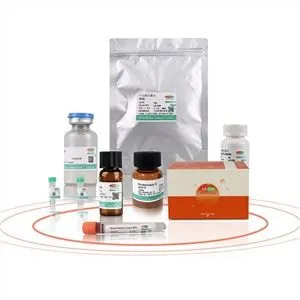
Tissue Preservation Solution
Please note that the price mentioned here is for reference purposes only. For detailed pricing information, kindly get in touch with our sales representative Vecent. It is important to clarify that the generated content should not follow the style of ChapGPT conversation, instead, it should be...
Description
| SKU-Pack Size | Availability | Price |
| abs9474-100ml | In stock | $114.00 |
Please note that the price mentioned here is for reference purposes only. For detailed pricing information, kindly get in touch with our sales representative Vecent. It is important to clarify that the generated content should not follow the style of ChapGPT conversation, instead, it should be based on the underlying text information but delivered in a distinctly different manner using a language model.
Description | |
| Appearance | Clear liquid |
| Application | The preservation and transportation of fresh biological tissue samples require a specific method known as cryopreservation. This technique effectively maintains the activity of the tissue for a duration of up to 72 hours. It ensures that the samples remain viable and functional during the transportation process. |
| Usage | Make sure that the fresh tissue you are using is completely clean and free from any kind of fungal, bacterial or mycoplasma contamination. This is an important step to ensure the accuracy and reliability of your results. To ensure proper treatment, it is important to carefully choose the specific area of active tissue. Once identified, the next step is to eliminate any necrotic excess tissue, as it can hinder the healing process. Additionally, it is crucial to thoroughly remove any remaining blood from the area. This careful removal process will help facilitate proper healing and prevent complications. To prepare a substantial tissue sample, it's important to first use surgical scissors or scalpel to trim the tissue block into around 0.5cm wide pieces with a preferable thickness of 0.5cm. This process will help ensure that the sample is of high quality and suitable for the intended analysis. Remember to handle the tissue with care and precision to avoid damaging it during preparation. It's important to keep in mind that having a tissue mass that is too large can have negative effects on nutrient exchange and the preservation of tissue in solution. It's crucial to trim the tissue to at least 0.5cm thickness, and even thinner if possible. If the tissue proves difficult to prune down to this size, at the very least it should be trimmed down to that thickness in order to ensure proper preservation and exchange. Being mindful of these factors can greatly improve the success of preserving tissue samples. It is important to note that the product must be cooled to a temperature of 2~8℃ prior to use. If biological samples are being tested, they must also be stored and transported at this temperature range to ensure their viability. Therefore, it is recommended that proper cooling measures be taken to maintain the quality and integrity of the samples. To ensure proper tissue preservation for subsequent analysis, it is important to estimate the sample volume and prepare an appropriate amount of preservation solution. Generally, it is recommended to use at least 5 times the sample volume of preservation solution. When dealing with samples that have vascular or lumen structures, it is important to rinse and fill the lumen with the preservation solution before immersing the entire sample. This will effectively preserve the tissue and ensure accurate analysis. Please note that in order to preserve active tissue for a period of 24 to 72 hours, it is recommended to transport 5 to 10 times the volume of tissue preservation solution. However, if the preservation time is reduced to 6 hours, the volume of preservation fluid can be adjusted accordingly, as long as the tissue mass is completely immersed. It is important to ensure that the tissue is fully immersed in the preservation solution for optimal preservation. The process of separating live cells, creating tissue cultures, and inoculating PDX can be a fundamental practice in the field of biology. The isolation of living cells involves extracting cells from a biological sample, such as blood or tissue, to study and analyze their properties. Additionally, tissue culture involves growing and maintaining cells in a laboratory environment to further study their growth patterns and responses to different stimuli. Finally, PDX inoculation involves introducing patient-derived tumor samples into animal models to better understand cancer behavior and potential treatment options. By utilizing these techniques, researchers can gain crucial insights into complex biological processes and develop new treatments for various diseases. When using preserved tissues for subsequent experiments and studies, it is important to note that this product contains antioxidants. To prevent these antioxidants from interfering with desired research outcomes, it is recommended to wash the tissue samples with normal saline or phosphate buffer 2-3 times before use. This will ensure that accurate and reliable results can be obtained in subsequent experiments and studies. Additionally, utilizing preserved tissues can save time and effort as they can be used directly without the need for additional processing. Overall, preserved tissues offer a valuable resource for research in various fields. |
Overview | |
| Storage Temp. | -20℃ to avoid light, effective for 2 years. Can be stored separately at -20℃ to avoid repeated freezing and thawing. |
Properties | |
| PH | 7.2-7.6 |
Hot Tags: tissue preservation solution, China tissue preservation solution suppliers
Send Inquiry
You Might Also Like