Agonist inhibitors all recommended -- glucocorticoid receptors
Leave a message
In the human body, the presence of glucocorticoid receptor (GR) is widespread, found in various tissues and cells. Virtually every cell in the body is influenced by GR. Each cell has a significant number of binding sites, typically ranging from 5000 to 20000. However, it is important to note that the expression levels of GR differ across different tissues.
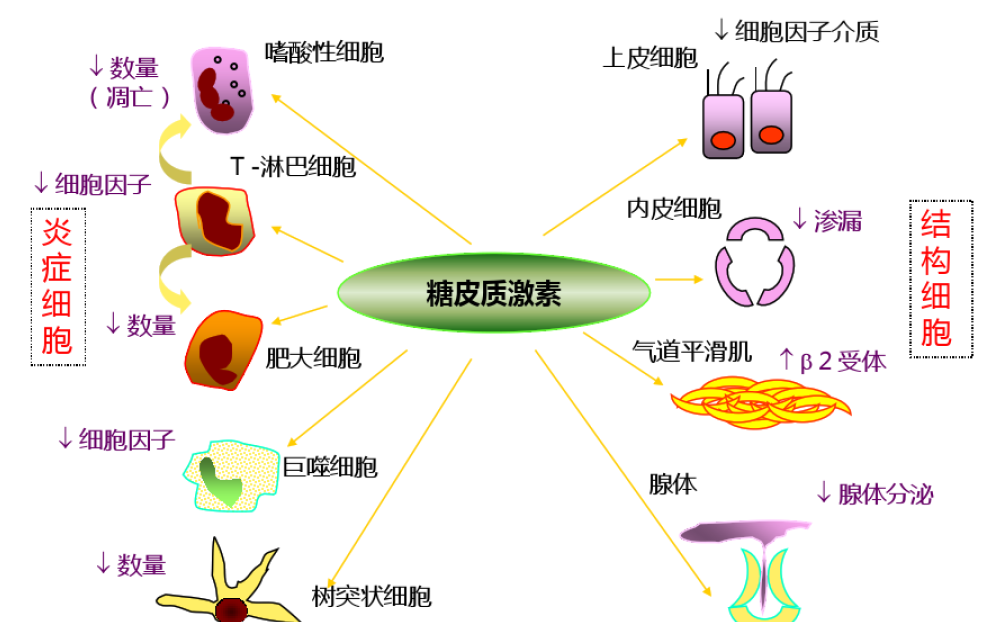
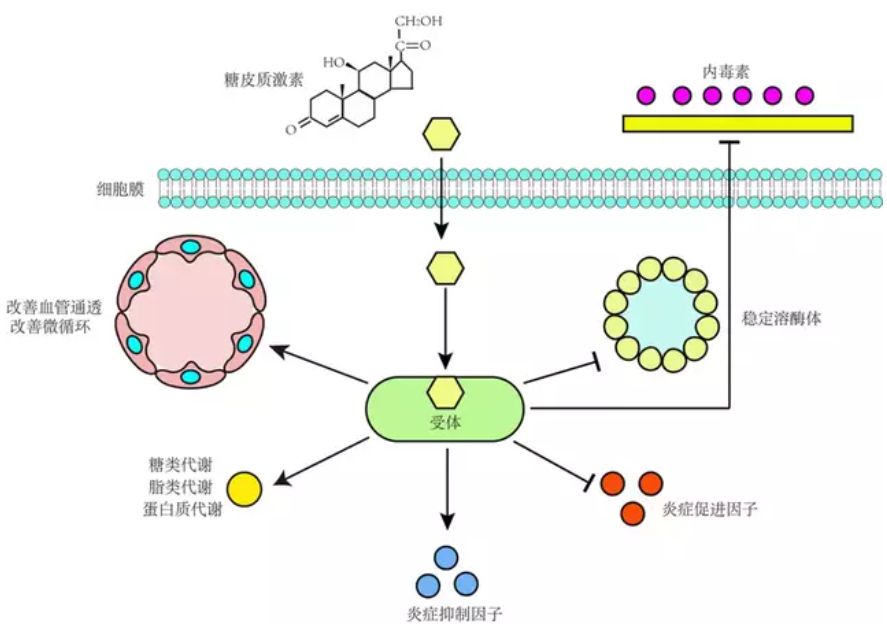
Glucocorticoids are a type of steroid hormone that possess potent anti-inflammatory, anti-allergic, anti-shock, and immunosuppressant properties. Due to their diverse therapeutic benefits, they are widely utilized in the treatment of numerous disorders. These lipophilic molecules are capable of penetrating the cellular membrane through passive diffusion, where they bind to glucocorticoid receptors (GR) to form a hormone receptor complex. This complex then translocates into the nucleus, attaches to specific DNA-binding sites, and initiates gene transcription, leading to the synthesis of various proteins that mediate their pharmacological effects.
Mechanism of action
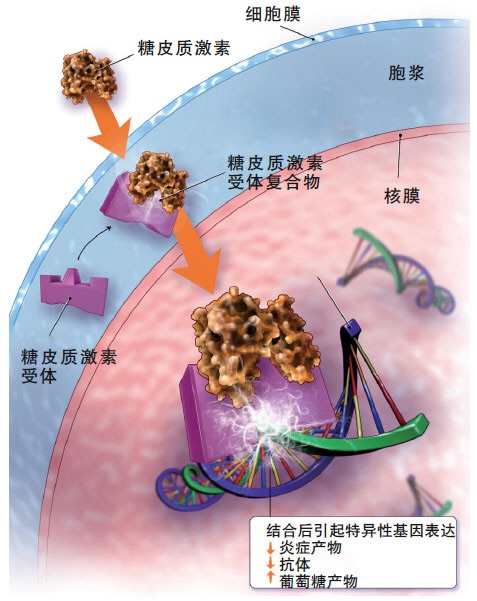
Picture from the Internet
Without glucocorticoids, GRa resides in the cytoplasm as a receptor complex. This complex includes a receptor peptide, two HSP90s, and various other proteins that prevent the receptor peptide from interacting with the nucleus freely. However, when GR binds to glucocorticoid, the conformation of HSP90 is altered. This alteration releases the GRa glucocorticoid complex from HSP90, allowing it to enter the nucleus. Inside the nucleus, the complex binds to GRES in the promoter region of hormone-response genes. This binding leads to enhanced transcriptional activity of corresponding genes, which results in the synthesis of a range of proteins including lipocortin-1, adhesion molecule, endonuclease, neuropeptidase, and angiotensin-converting enzyme. These resulting proteins have a wide range of physiological and pharmacological effects.